
Introduction
Your ambition reveals itself through your calendar, not just your objectives. As your professional reach expands, the nature of your appointments shifts from informal touchpoints to high-stakes engagements: strategic planning, talent acquisition, partnership negotiations, and client presentations where single choices can have long-term financial consequences.
During this pivotal phase of growth, your meeting environment transcends its role as a mere backdrop and integrates into your core operating system. When your surroundings align with the scale of your objectives, the results are immediate: discussions become more focused, the pace of decision-making accelerates, and maintaining a high standard of professionalism becomes second nature—particularly within a coworking space designed specifically for deep, meaningful work.
Your Space Is Communicating (Even When You Aren’t)
The environment of a meeting is never a neutral factor; it subtly influences group dynamics. It dictates the level of preparation, the duration of collective focus, the degree of transparency among participants, and whether the session results in concrete decisions or merely ambiguous follow-up tasks.
Using makeshift settings like crowded coffee shops or distracting home offices often leads to shallow interactions. In these spaces, participants may feel rushed, become prone to multitasking, or sidestep difficult conversations, effectively turning potential turning points into mere status updates.
In contrast, a purposeful meeting environment establishes a tone of gravity. It serves as a clear signal: the agenda is significant, and the primary objective is to reach a resolution.
The Hidden Cost of Improvised Meetings: Cognitive Load
The drop in meeting quality within makeshift environments is largely driven by cognitive load. This represents the mental energy diverted toward managing surroundings—such as monitoring Wi-Fi stability, noise levels, privacy, and seating—rather than focusing on the actual objectives. When your brain is preoccupied with these environmental factors, your capacity for high-level strategy and problem-solving is diminished.
Utilizing a dedicated meeting space eliminates this mental drain. By simply closing the door, you trigger a psychological shift from managing the setting to performing the work. This transition is essential for elevating the quality of thought and focus within the room.
What Actually Changes When the Space Matches the Goal
1) Your thinking gets bigger—and stays there longer
Consistency is vital for deep work. In environments marked by constant interruptions, there is a tendency to settle for superficial ideas and safe conclusions. Conversely, a space designed for focus allows teams and clients to engage with complex problems until they achieve breakthrough clarity, moving past repetitive cycles toward actual resolutions.
2) Decisions speed up because meetings feel “real”
Ambition demands execution, and execution demands decisions. A strong meeting environment increases decision velocity in simple, practical ways:
- You start on time because setup isn’t a scramble
- You stay on track because distractions are lower
- You can discuss sensitive topics (money, roles, risk) with privacy
- The space creates a natural “container” where commitments stick
The environment itself may be the root cause if you frequently exit meetings feeling as though no tangible progress was made despite the conversation.
3) Trust rises—without you having to sell it
Clients don’t only evaluate your expertise; they evaluate risk. They’re asking silently: Will this be smooth or stressful? Are they stable enough for a bigger engagement? Do they respect my time?
Professional meeting environments serve to minimize perceived risk by signaling preparation, organization, and intent before any formal presentation begins. This atmosphere of professionalism simplifies the client’s decision to proceed and empowers you to advance the engagement with greater assurance.
4) You stop avoiding the meetings that matter most
It is a subtle but powerful phenomenon: in the absence of a dedicated environment, high-stakes dialogues—covering everything from pricing adjustments and performance reviews to partnership synergy and long-term strategic planning—are often unconsciously deferred. While routine calls continue, the essential sessions requiring deep focus and deliberate care are pushed aside.
Securing a dependable meeting location changes this dynamic entirely, making these critical conversations simpler to organize and more likely to reach a successful conclusion.
Coworking: Professional Space Without the Overhead
The old way to “upgrade meetings” was a traditional office: a lease, furniture, utilities, and paying for square footage you don’t use all day. Coworking flips that model. You get access to professional spaces when you need them—without carrying them as fixed costs.
At Freelance York in Dallastown, the advantage is flexibility: you can work solo, meet with clients, align with a team, or host a group session using spaces designed for those moments.
Match the room to the meeting (not the other way around)
Different ambitions require different rooms. One of the most practical upgrades you can make is simply choosing a space that fits the meeting type:
- Common Area Round Table (ideal for 1–4 people): quick planning sessions, interviews, small client check-ins, working meetings
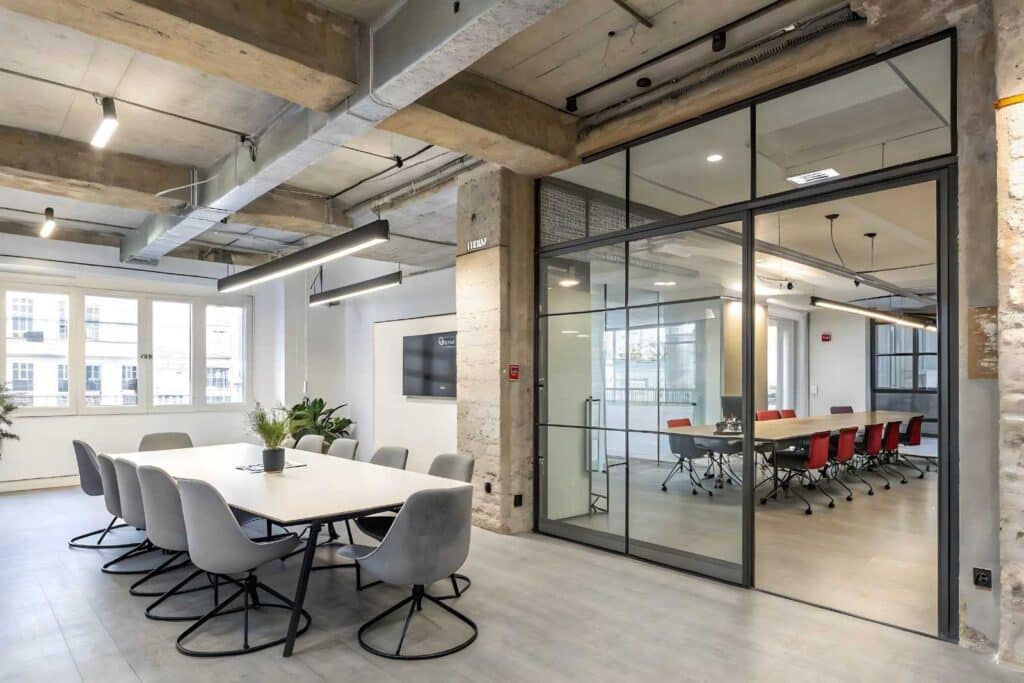
- Conference Room (ideal for 4–8 people): presentations, deeper client conversations, decision meetings, alignment sessions
- Training Room (ideal for 10+ people): workshops, onboarding, classes, team trainings, group collaboration days
Matching the environment to the specific objective of a meeting leads to immediate gains in clarity and productivity. Conversely, utilizing the same setting for every interaction causes outcomes to become indistinct.
The Team & Culture Effect: Better Conversations, Not Just Better Logistics
As you grow, meetings become more human: expectations, accountability, feedback, conflict, hiring, and leadership decisions. Those conversations don’t thrive in public or distracting environments.
A private, intentional meeting space supports psychological safety—the ability to speak honestly, think before responding, and handle tension without performance. It also strengthens internal credibility: when leadership meetings feel organized and intentional, teams believe the strategy is real (because it is).
Workshops and Training: Where Space Can Make or Break the Outcome
The failure of a workshop isn’t always due to poor content; it often happens because the environment creates obstacles for the facilitator—whether through cramped quarters, constant interruptions, or technical instability that breaks the flow.
The importance of environment is magnified when your goals involve scaling your impact—such as onboarding new hires, mentoring a team, or leading community programs. A space designed for education fosters engagement, focus, and knowledge durability, ensuring that participants don’t just show up, but truly integrate the information.
A Quick Checklist: Does Your Meeting Space Match Your Ambition?
Before your next important meeting, ask:
- Can we talk privately about money, people, and strategy?
- Will the setup help us start on time and stay focused?
- Does the space support real decisions (not just discussion)?
- If a client walked in, would this environment increase confidence?
- Can we go straight from meeting to execution without losing momentum?
If you’re answering “not consistently,” it’s not a problem to feel bad about—it’s a sign you’ve grown. Your ambition is asking for a better container.
Conclusion: The Room Becomes a Growth Tool
Aligning your meeting environment with your professional aspirations eliminates the need to adapt to inadequate surroundings. This harmony results in sharper thinking, accelerated client trust, and more efficient team alignment. Ultimately, your meetings fulfill their true purpose: generating tangible momentum.
For professionals in the Dallastown area seeking workspace that mirrors their focus and professionalism, Freelance York offers flexible environments designed specifically for high-level productivity.