
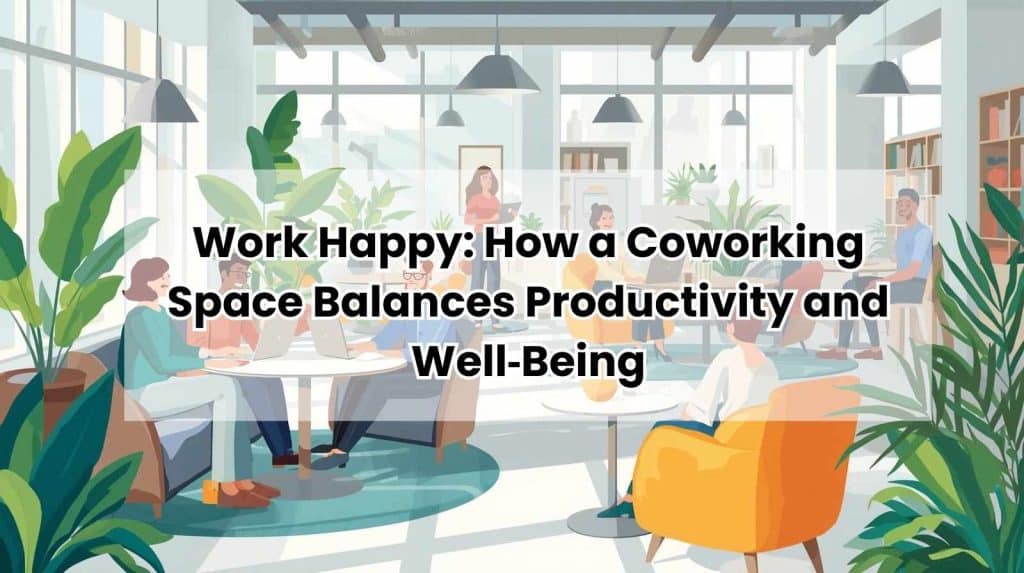
Imagine a workday that leaves you feeling energized, not drained. The goal is to end the day clear-headed and truly satisfied with your accomplishments, with plenty of energy remaining for your personal life. This is the subtle commitment of the best contemporary coworking spaces. They are more than just aesthetically pleasing offices with premium coffee; they are thoughtfully designed environments that prioritize your productivity, safeguard your well-being, and respect your need to set your own schedule.
Coworking spaces offer a distinct advantage over conventional offices by moving away from rigid 9-to-5 schedules. They provide structure with true freedom, offering flexible hours, diverse work settings, and a supportive community that values both professional success and personal life. Working happily is truly possible in a well-managed coworking environment, which achieves this by harmonizing space, rhythm, community, and flexibility.
Space That Works With Your Brain, Not Against It
Most people have experienced both extremes: the isolating cubicle farm and the chaotic open office where you can hear everyone’s phone calls and snack choices. Coworking aims for something smarter—a mix of zones that support different types of work and energy levels.
A thoughtfully designed coworking space typically includes:
- Quiet zones for deep work
Designated quiet zones foster deep concentration. These library-like environments restrict calls and keep conversations subdued, creating the ideal setting for focused tasks such as writing, coding, or complex strategy work. - Collaborative zones for connection
Shared tables, lounge seating, or café‑style corners where quick chats, brainstorming, and spontaneous discussions feel natural instead of disruptive. - Private rooms for calls and sensitive work
Small meeting rooms and phone booths offer dedicated spaces for private client calls, hosting webinars, or discussing confidential matters, thus preventing distractions for other coworkers.
You’re not stuck in one mode all day. You move between spaces as your tasks and energy change, which is much closer to how your brain actually works.
The Subtle Science of Well‑Being: Light, Movement, and Comfort
Coworking spaces that genuinely support well‑being don’t just look good in photos; they’re built around fundamentals that help your body and mind feel better while you work.
Common design choices include:
- Natural and thoughtful lighting
Maximizing daylight, using warm task lighting, and reducing harsh glare can dramatically improve mood, focus, and sleep quality. - Ergonomic foundations
Supportive chairs, appropriate desk heights, sit‑stand options, and laptop risers reduce the aches and strains that quietly drain your energy. - Encouraged movement
Multiple “micro‑destinations” in the space—kitchen, lounges, phone booths, high tables—naturally prompt you to get up, stretch, and change posture throughout the day.
These small details add up. Instead of slowly grinding you down, the physical environment becomes a steady ally for both productivity and well‑being.
Community as a Quiet Superpower (Not a Distraction)
There’s a myth that to be truly productive, you need to be completely alone. In reality, humans are wired for connection—and isolation is one of the fastest paths to burnout, especially for remote workers and solopreneurs.
Coworking communities change that by offering:
- Ambient accountability
When you’re surrounded by people working on meaningful things, it’s easier to stay focused on your own. No one has to nag you; the room itself nudges you toward progress. - Fast problem‑solving
Tech question? Marketing puzzle? Client conundrum? The person at the next desk might have an answer, a recommendation, or a shortcut that saves you hours. - Emotional support and belonging
A quick “rough day?” or “how’s that launch going?” can be a surprisingly powerful buffer against stress and self‑doubt.
The key is choice: you can plug into the community when you want connection, and retreat to quiet zones when you need solitude. Community becomes a resource, not a requirement.
Flexible Rhythms Instead of Rigid Hours
Real work‑life balance isn’t about swapping one strict schedule for another; it’s about having the freedom to design a rhythm that fits your life, your energy, and your responsibilities.
In a coworking space, you’re not told when to work. Instead, you’re given the tools to shape your own pattern:
- Define your own “core hours.”
If your brain is sharpest from 7–11 AM, you can build your most demanding work around those hours. Prefer late mornings and evenings? That’s an option too. - Use the space as your “on” zone
Decide that when you’re at the coworking space, you’re in focused, professional mode. When you leave, you’re off. This creates strong boundaries without enforcing a clock‑in/clock‑out mentality. - Adapt to seasons of life
Big project? Come in more often or for longer stretches. Kids’ school holidays or a quieter quarter? Shorter, sharper visits still keep you anchored and productive.
You get structure without feeling trapped, and flexibility without descending into chaos.
Rituals and Habits That Make Balance Easier
The best coworking spaces don’t just provide infrastructure; they help you build better habits almost by accident.
You might find:
- Coworking sprints or focus blocks
Optional sessions where members work quietly together for a set period (for example, 50 minutes of focus, 10 minutes of break). These make it easier to start tough tasks and protect your attention. - Regular events and workshops
Short sessions on skills, tools, or wellness topics support your professional growth and mental resilience—during work hours, not as “extra homework” at night. - Break‑positive culture
Seeing others step away for lunch, a walk, or a stretch reminds you that rest is part of sustainable productivity, not a sign of slacking.
Over time, these rituals can shift you away from the “always on” hustle mindset toward a rhythm that respects both output and recovery.
Practical Ways to Make Coworking Help You “Work Happy”
To get the most out of a coworking space, it helps to be intentional. A few simple practices go a long way:
- Start with a 10‑minute arrival ritual
Choose your spot deliberately, outline your top 2–3 priorities, and resist the urge to dive straight into email. - Match task to zone
Deep work in quiet areas; calls and meetings in private rooms; email, planning, and admin in more social or relaxed spaces. - Use movement as a mental reset
After a big task or meeting, change something—your seat, your posture, your zone. Let physical shifts mark mental transitions. - Set a visible end to your day
Before leaving, review what you accomplished, park tomorrow’s priorities, close out loose ends, and then physically walk away from the space.
These small choices turn the coworking environment into a system that consistently supports how you want to work and live.
The Human‑Centered Future of Work
Coworking spaces are part of a larger shift away from seeing people as just “resources” and toward designing work around how humans actually think, feel, and function. By combining smart space design, flexible rhythms, real community, and everyday well‑being practices, they make it possible to be highly productive and genuinely well.
Working happily doesn’t mean every day is effortless or stress‑free. It means you’re operating inside an environment that helps you do meaningful work, protect your energy, and keep your life bigger than your job. In that sense, a great coworking space isn’t just where you work—it’s where a healthier way of working starts to become your new normal.